


Language is the medium through which reading comprehension occurs, and a student’s command of expressive and academic language is one of the strongest predictors of reading success.
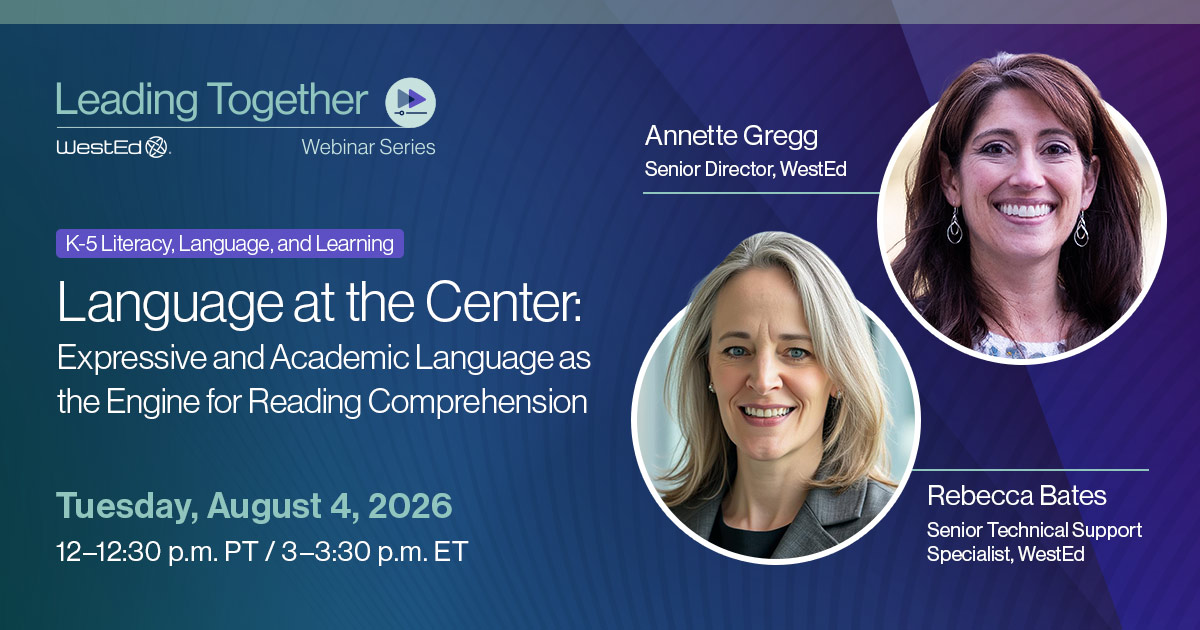
Date: Tuesday, August 4, 2026
Time: 12–12:30 p.m. PT / 3–3:30 p.m. ET
This 30-minute Leading Together webinar examines how oral language development, including syntax, vocabulary depth, and discourse structure, underpins the ability to construct meaning from complex texts. Particular attention is given to academic language registers and the critical importance of explicit, intentional instruction in these forms across all learning contexts, including those in which learners are simultaneously developing language proficiency and reading comprehension.
Explore instructional strategies for building rich language environments that expand every student’s repertoire and strengthen reading comprehension for all learners.
Who Should Attend?
- District and site leaders
- Instructional coaches and literacy specialists
- K–5 classroom teachers
Session Discussion Topics
- Language as the Foundation of Reading Comprehension: how oral language development, including syntax and discourse structure, connects directly to reading comprehension in K–5 spaces, with implications for Multilingual Learners at every proficiency level
- Vocabulary Depth, Not Just Breadth: the difference between knowing a word and truly owning it, and why rich, generative vocabulary instruction, including attention to cognates and cross-linguistic connections, matters more than word lists
- Academic Language Registers: what academic language is, how it differs from conversational language, and why explicit instruction in these forms is essential, not optional, for all students, particularly Multilingual Learners navigating a new language and new content simultaneously
- Building Language-Rich Classroom Environments: instructional moves that increase the quality and complexity of language students encounter and produce, from structured discussion to text-based talk, with strategies that leverage the linguistic assets Multilingual Learners bring to the classroom
- Language, Equity, and Reading Comprehension: how intentional, asset-oriented language instruction expands access to complex texts and creates pathways to reading comprehension that are more equitable for all learners, including those developing proficiency in English alongside academic language
Featured Speakers

Annette Gregg brings extensive experience in educational leadership, focusing on enhancing outcomes for English and Multilingual Learners. As the director of the English Learner and Migrant Education Services team, Gregg oversees a comprehensive portfolio of initiatives, including research, technical assistance, and professional learning projects aimed at supporting PK–12 educators and migrant education professionals nationwide.
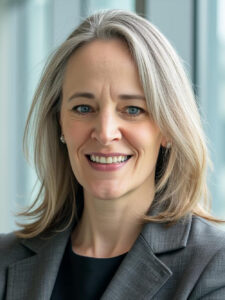
Rebecca Bates brings more than 25 years of K–12 education experience as a teacher leader, technical assistance provider, and researcher, with expertise in evidence-based literacy, professional learning design, school and system improvement, and cross-partner project leadership. Her specialties include developing literacy guidance and resources; coaching leaders and coaches; leading communication and dissemination of research-based practices; and managing large, multiyear initiatives that span local, state, and federal partners.