


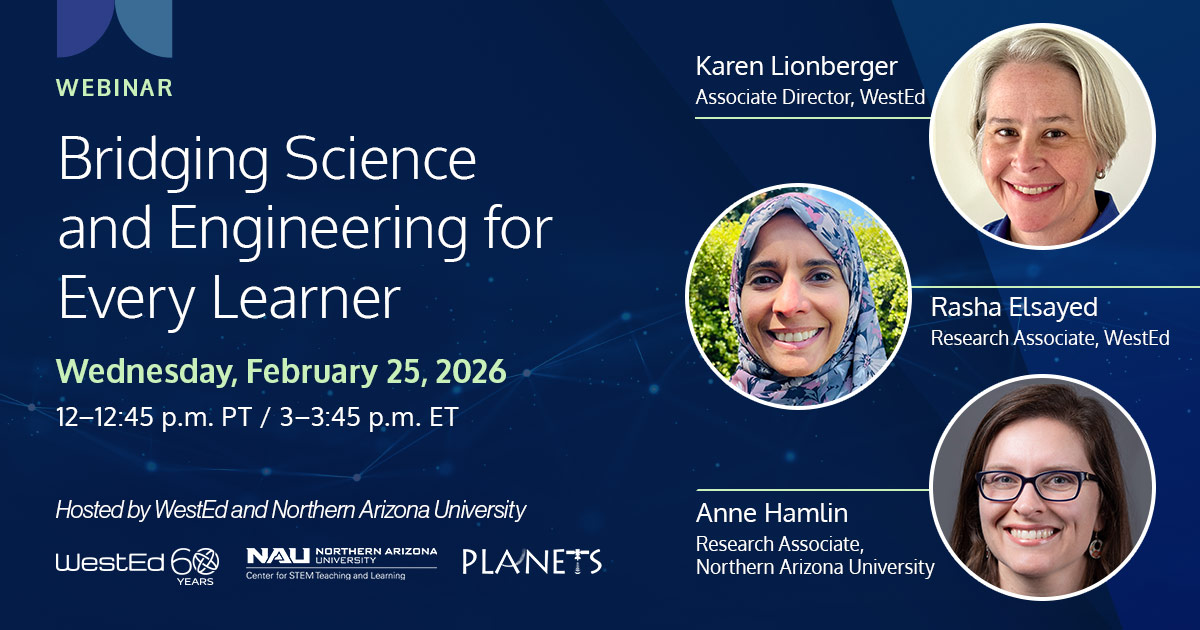
Creating science, technology, engineering, and mathematics (STEM) experiences for every learner requires more than access. Discover ready-to-use, research-backed approaches for creating STEM experiences for all elementary and middle school learners.
Date: Wednesday, February 25, 2026
Time: 12–12:45 p.m. PT / 3–3:45 p.m. ET
This 45-minute, interactive webinar introduces practical, research-backed strategies for cultivating inclusion in informal STEM settings, with particular attention given to Multilingual Learners, learners with physical and sensory disabilities, and Indigenous learners.
This session engages educators with tangible techniques grounded in Universal Design for Learning principles that they can adapt and put into practice immediately. These strategies come to life through PLANETS (Planetary Learning Advancing the Nexus of Engineering, Technology, and Science), a NASA-funded planetary science and engineering curriculum for elementary and middle school learners in out-of-school time programs.
Who Should Attend?
- Out-of-school educators and program directors
- K–12 teachers and instructional coaches
- Professional learning providers
- Curriculum developers
- Informal education researchers
Session Discussion Topics
- Inclusive Instructional Design
- Support for Multilingual Learners, Indigenous Learners, and Learners With Physical/Sensory Disabilities
- STEM Teaching and Learning
- Out-of-School Time Education
Featured Speakers

Karen Lionberger, a former high school science teacher, is a senior STEM education researcher and leader at WestEd, where her work focuses on equity-centered curriculum and professional learning across in-school and out-of-school contexts. She has led national research and development efforts advancing inclusive STEM learning, including work that informed A Framework for K–12 Science Education. More recently, she helped lead the development of the educator resource for the NASA-funded PLANETS project, which supports grades 3–8 out-of-school-time educators in providing inclusive planetary science and engineering learning experiences for all learners.
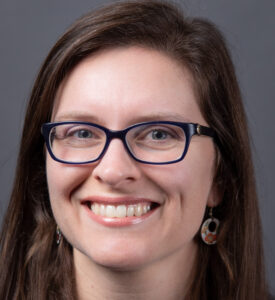
Anne Hamlin started her career in geology where, over a period of 9 years, she earned a masters degree, conducted climate research, and consulted on environmental pollution investigations including the 2010 BP oil spill. Hamlin then transitioned her career to education and incorporated her knowledge of STEM content and careers into educational opportunities for students across the southwest in a variety of place- and/or project-based learning initiatives. Since 2014, Hamlin has designed multiple K-16 science curricula, worked as a formal and informal educator, and has provided mentoring, professional development, and/or curriculum training for over 250 educators.
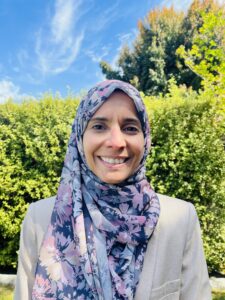
Rasha Elsayed is a Research Associate at WestEd working on research, evaluation and development of STEM education programs and professional learning. She co-authored Promoting Inclusion and Engagement in STEM Learning: A Practical Guide for Out-of-School-Time Professionals. Her work focuses on supporting multilingual learners, Indigenous learners,
neurodiverse learners, and learners with physical and sensory disabilities using Universal Design for Learning principles.