

September 14, 2026
“Understand who you’re working with, the community you’re serving, who has been there for a long time, and why people are there…so you can understand how to best work together and achieve the goals and vision the organization has set.”
— Zana Kidd
Director of Human Resources, California Online Public Schools
In a fully online school system, culture and community cannot rely on shared in-person hallways, staff rooms, or everyday interactions. As California Online Public Schools (CalOPS) grows, leaders are thinking intentionally about how to create structures in which staff feel connected, supported, and heard.
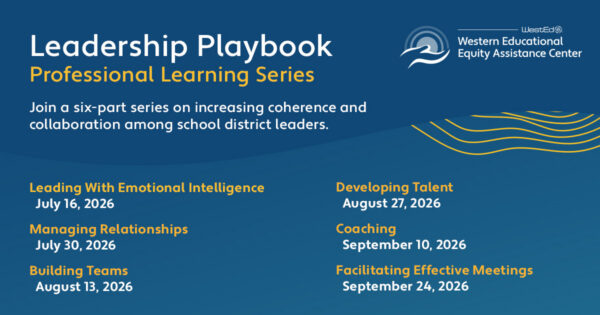
WestEd’s Leadership Playbook is a research-based professional learning series helping CalOPS leaders deepen those practices by strengthening their leadership skills, team relationships, and shared approaches to culture building through six interactive sessions.
In this Q&A, Zana Kidd, Director of Human Resources, and Ayesha Vishnani, Diversity, Equity, and Inclusion Specialist, of CalOPS, discuss what it takes to build culture in a virtual environment, how they are applying the Playbook’s tools to strengthen teams, and why intentional relationship building is essential.

Zana: As we transitioned to CalOPS, one of the things I felt strongly about as Director of Human Resources was making sure we had the foundational systems in place that allowed people to feel supported and cared for. Before we could talk about culture in a bigger sense, we needed to make sure people’s basic needs were being met. Are people getting paid correctly and on time? Do they understand how to get things done? Do we have clear and consistent processes for hiring and other HR functions?
Those things may sound operational, but they are foundational to trust. When those basic systems and processes work well, people feel supported and cared for and are able to focus on their work.
The team has also been really intentional about building relationships and making sure staff feel supported and seen. Ayesha and Ryan, our Assistant Director of Human Resources, have both played important roles in creating opportunities for people to connect, share their perspectives, and engage in honest conversations. Over time, we’ve seen that relationship building translates into greater trust. When we ask staff for input, more people are willing to participate and share their perspectives. We’ve seen a significant increase in participation in our staff surveys, which tells us that people are increasingly willing to engage and have their voices heard.
Ayesha: A big part of my role is meeting people where they are and building trust, being present in spaces like staff meetings, and acknowledging when people are being celebrated and when things are going well so that if a hard conversation ever needs to happen, that is not the first time we are connecting. We are building the community and culture to get there. Zana’s created a space where we’re not afraid to challenge our leader or ask questions because we’re received. And so then we’re not afraid to get challenged by our staff and we’re able to have those conversations.
Zana: In the previous iteration of CalOPS, when we were CalCA, we had less autonomy, and I think that stifled leaders and didn’t allow them to fully develop their own leadership skills and build that muscle. As we began to grow as an independent organization and think about who we want to become, it made sense to partner with WestEd to help develop our leadership skills.
Ayesha: I was working with employee resource groups that were bringing communities together, and there was some discomfort because people were entering a shared space without really knowing one another. Building those teams from the beginning could be messy. The Playbook’s introduction to Tuckman’s stages of team development helped give me language for what I was seeing, particularly the storming and norming that teams naturally move through as they learn how to work together. It reinforced for me that a huge part of the work was taking it day by day, building relationships, and really investing in the teams.
Zana: The concept that has stuck with me most is the difference between transition and change. That actually came from another WestEd series we participated in called Leading From the Middle, which is designed specifically for central office leaders. Our school has gone through a huge change, moving from being operated by a for-profit business to becoming an independent nonprofit charter school.
The change has happened, but we are still navigating the transition. Now we’re focusing on the frameworks and mindsets behind how we do our work and why we do it in a particular way. We’re also putting our vision and values on paper and naming who we want to become now that some of the functional changes have been made. Some people might look at this work and say, “You’re behind because you’ve already made the change.” But I think this is the perfect time to have these conversations. Our focus for the upcoming school year is to drive home our new vision and values, which is vital to supporting and working in an online environment.
Ayesha: From the onset of the Playbook, I was pleasantly surprised that identity work and norming were embedded in the training rather than treated as a separate session. People were asked to reflect on their identities from the beginning and set norms together. It was great to see these practices introduced as best practices, and it affirmed the work I had already been doing with my teams.
Participating in the Playbook has also helped me think about how I take the work I’m already leading forward. As we build our vision and values as a school, I’m thinking more intentionally about how to connect them to the work we’re already doing, including our culture and climate survey. I ask, “How do we keep the vision alive, bring our values to life in different ways, and connect them to what we’re doing so they are sustained?”
Ayesha: I think it’s about being comfortable with the fact that norms and ways of working are flexible. It’s not that you write them down once and then you’re done. One of my biggest takeaways was the importance of keeping them alive and continuing to engage with them. The Playbook helped me think about norms as living agreements for how we come together to do the work. That means revisiting them regularly, identifying a norm we want to focus on, and talking about what it actually looks and sounds like in practice. I’ve been modeling that with my leads so they can do the same with their own teams. It also means being willing to revisit our norms and add, change, or remove them as the team evolves. They’re not my norms. They belong to all of us.
Zana: One exercise that stuck with me was Compass Points. It helped me think about the different ways people approach their work and how that shapes the way we work together. As a team leader, it’s important for me to understand how my team members work, what motivates them, and what they need from one another to work effectively. Having a tool that helps us better understand ourselves and each other was really valuable.
Another takeaway was being more intentional about meetings. Because we are a remote, online environment, we are a meeting-forward school. We understand the importance of face-to-face time, but we also have to ask, “Are we using that time wisely? Are we clear about the purpose of each meeting?”
The Playbook’s focus on facilitation, along with what I learned in Leading From the Middle about different types of meetings, helped me think more strategically about how we use that time. Sometimes we need a quick huddle or stand-up, and other times we need time to brainstorm or work through a larger system or process. That is something I want to implement going into the upcoming school year. It helped me realize that meetings can be designed with much more intention.
Zana: For me, I’m frequently looking back at the Leadership Playbook resources because I lean on them to help me facilitate meetings and apply what I learned with my own team. I’m preparing for an HR retreat, and I plan to implement the Compass Points activity with my team so we can talk through how we work together better. I also want to focus on the meeting piece and how we can be more strategic and intentional with our time. Looking ahead, I would say collaboration is a big focus. Moving systems and initiatives forward requires a lot of collaboration, and that is an area we can continue to develop.
Ayesha: I’m excited to see what more we can gain and learn from the systems piece in Leadership Playbook II, which we are starting this year. And part of that is the collaboration Zana talked about. We need it to impact systems, shape culture, and build people’s capacity. It all goes hand in hand, and I’m excited to continue building on that work.
Zana: I would start with getting to know your people and taking the time to learn their story. Understand who you’re working with, the community you’re serving, who has been there for a long time, and why people are there. It’s vital to understand the demographics and the community you’re working with so you can understand how to best work together and achieve the goals and vision the organization has set.
The other piece is being gracious. We are in interesting times, and in a remote world, what’s happening at home or in the world can show up in the work in different ways. People don’t necessarily have that separation of leaving home and going into an office. As leaders, we have to recognize that and extend some grace to one another.
Ayesha: One of my ahas has been understanding just how intentional the work with people has to be in a virtual environment. Connection doesn’t just happen because people work for the same organization. We have to create opportunities for people to really know one another and build relationships. As Zana said, that starts with knowing your people, but it also means thinking about how well they know each other and whether they have what they need to feel connected, supported, and successful in their roles.
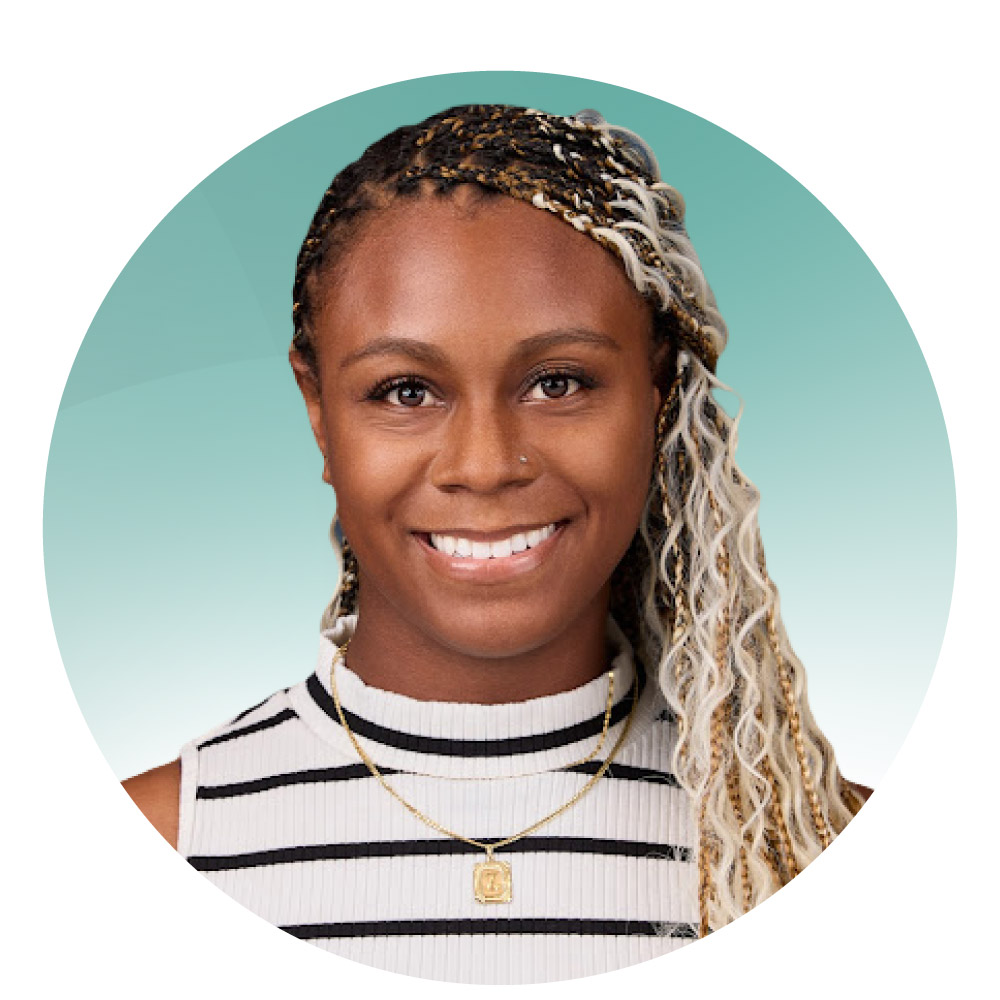
Zana Kidd serves as Director of Human Resources for California Online Public Schools, supporting nearly 500 employees across 21 states. Since joining CalOPS in 2023, Zana has helped guide the organization through its transition to independent operations, developing and strengthening the HR systems, team, and infrastructure needed to support a growing organization. As a leader, Zana is particularly passionate about building strong teams and creating practical solutions to complex organizational challenges.
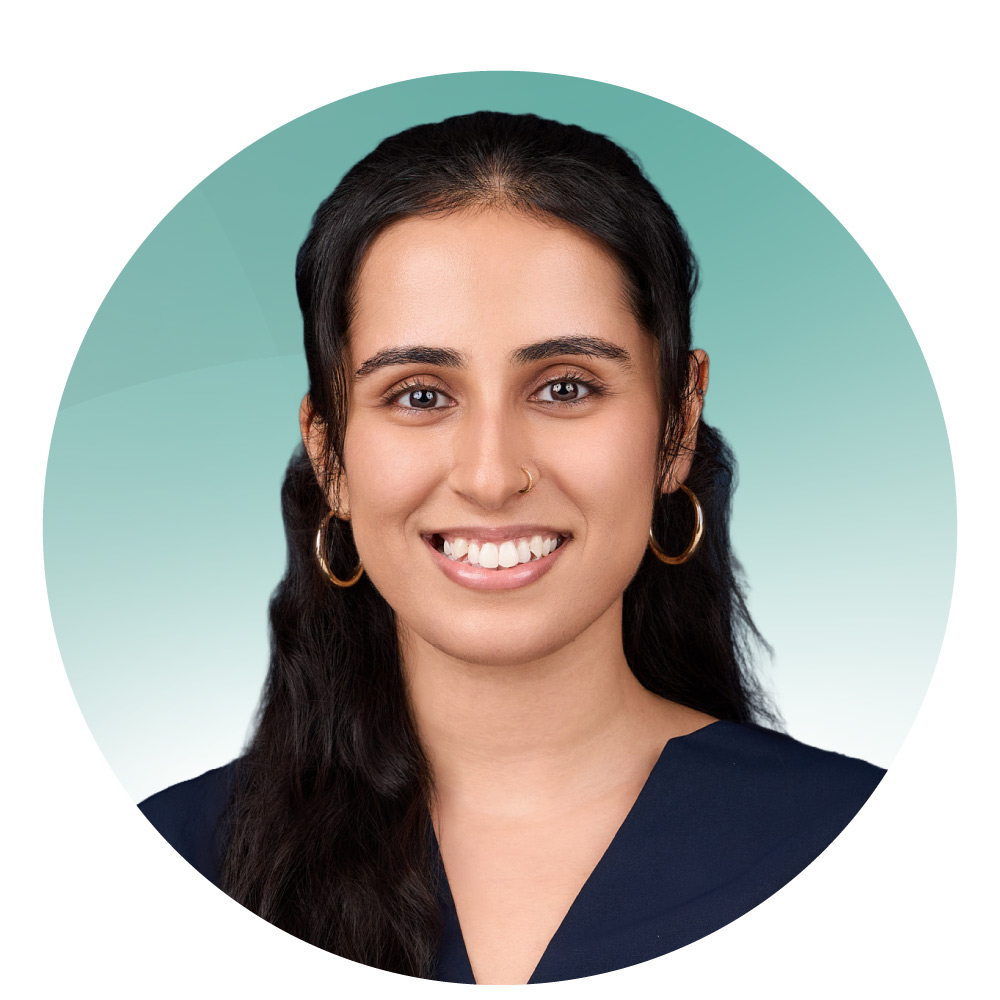
Ayesha Vishnani has served as the diversity, equity, and inclusion strategy manager at California Online Public Schools since 2023, driving the district’s equity and culturally responsive strategic plan through initiatives such as engagement surveys, staff development, and Employee Resource Groups. Her unique background as a reporter covering educational justice has also given her valuable context and relationship-building skills, which she’s brought to the district through multimedia newsletters, community panels, and learning sessions.

Ready to Build Leadership Capacity Across Your School or District?
Connect with our WestEd experts.
"*" indicates required fields
More Related to This Post
Blogs & Podcasts
Research insights and stories designed to inform, engage, and inspire.
Events
Research insights and stories designed to inform, engage, and inspire.