


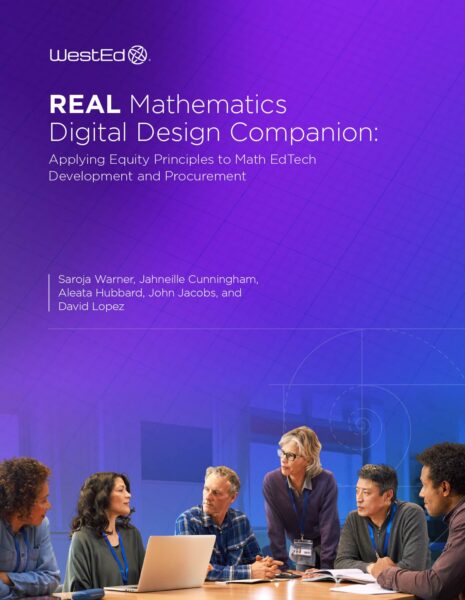
Discover a new, research-based tool that helps school leaders make more informed decisions when selecting math edtech—ensuring that technology recognizes, respects, and incorporates individual student backgrounds and experiences and supporting meaningful learning for all students.
In this 30-minute recorded webinar, explore the REAL Mathematics Digital Design Companion, a practical tool designed to support school and district leaders in reviewing and selecting math edtech products. Grounded in culturally responsive and sustaining education, the tool translates research into actionable criteria across product features, user experience, data practices, and implementation. Learn how edtech design choices shape student identity, agency, and access to rigorous learning and how to ask critical questions during procurement.
Ideal for decision-makers and developers alike, this session highlights how to ensure that math edtech fosters belonging, relevance, and positive outcomes for all students.
Resources Mentioned During the Session
Featured Speakers

Dr. Saroja R. Warner is an education leader and nationally recognized expert in culturally responsive and sustaining education (CRSE), educator workforce development, and equitable systems change. As Senior Director at WestEd’s Center for Teaching and Learning, she leads initiatives that bridge learning science with CRSE. Her work supports educators, curriculum designers, and edtech developers in creating inclusive environments that affirm identity and foster belonging.

John Jacobs is a Senior Technical Assistance Specialist at WestEd. In his role, he delivers professional learning and develops research- and evidence-based tools, guides, and comprehensive equity audits. This work supports state education agencies and district- and school-based leaders and educators in creating culturally responsive and equitable educational systems.
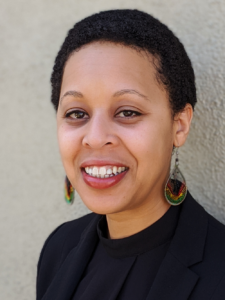
Dr. Aleata Hubbard Cheuoua is a Senior Research Scientist at WestEd. She brings over a decade of experience translating learning sciences research into actionable guidance for educators and edtech developers. Her work focuses on culturally responsive pedagogy, accessible computer science education, and tool design that supports meaningful, inclusive learning experiences
More Related to This Resource
Resources
Browse our high-quality publications and resources designed to inform and engage professionals in a variety of fields including K–12 education, early childhood, and health and justice.
Blogs & Podcasts
Research insights and stories designed to inform, engage, and inspire.


Events
Research insights and stories designed to inform, engage, and inspire.