

As GenAI tools become increasingly common in STEM classrooms, school and district leaders have the opportunity to build conditions for teacher use that aligns with school improvement goals.
This recorded webinar draws on in-depth case studies from the IES-funded AmplifyGAIN Center that feature STEM teachers using GenAI for planning, instruction, assessment, and professional learning.
Our featured speakers explore how pedagogical orientation and school context shape adoption and what systems can do to support transformative instructional use. We will highlight key findings from AmplifyGAIN research and offer guidance for designing professional learning, messaging, and policy structures that empower teachers to use GenAI to enhance student learning opportunities.
Session Discussion Topics
- What supports teachers need to use GenAI in transformative, student-centered ways
- How school and district leaders can message and model ethical, instructional use of GenAI
- What the role of professional learning communities and collaborative structures in GenAI adoption is
- How policies and resources influence whether GenAI improves or merely streamlines teaching
- What the key differences are between substitutive, amplified, and transformative uses of GenAI
- What real examples of teacher GenAI use drawn from the AmplifyGAIN research shows
Resources Mentioned During the Session
- AmplifyGAIN Interest Form (Website)
- Colleague AI Research (Website)
- Emerging Patterns of GenAI Use in K-12 Science and Mathematics Education (PDF)
Featured Speakers
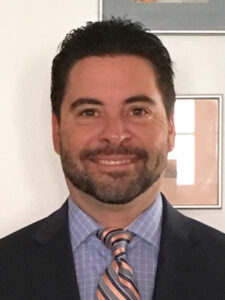
Drew Nucci combines decades of teaching experience and teacher education with a deep understanding of generative AI’s (GenAI) affordances and constraints for improving mathematics teaching and learning. He directs the research at one of four national AI R&D centers funded by the U.S. Department of Education and provides professional learning for STEM teachers to learn about GenAI while building AI applications to help them improve their teaching.
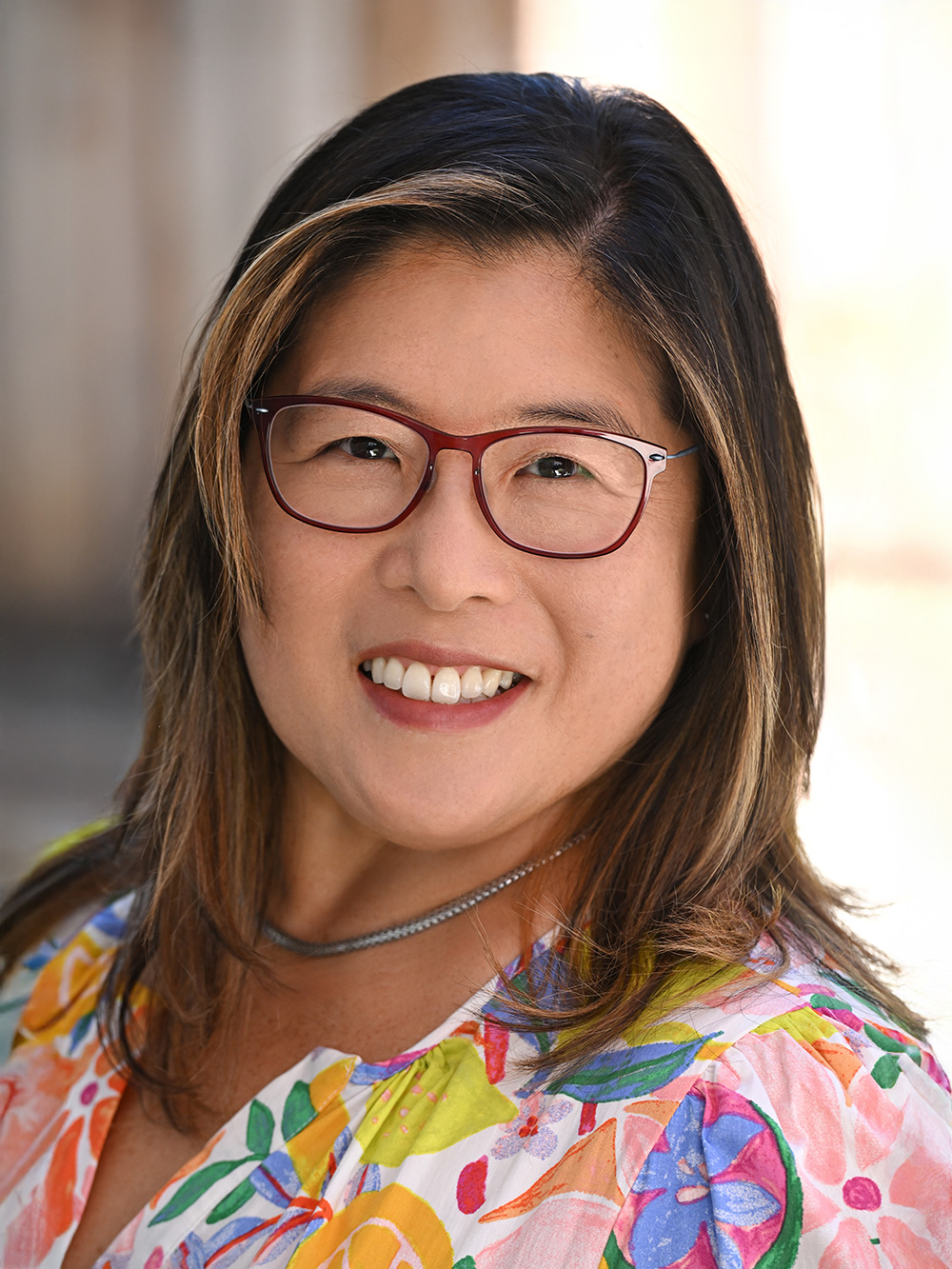
Ann R. Edwards is a nationally recognized leader in mathematics education with over 30 years of experience in research and development in mathematics learning, instructional practice, teacher learning, curriculum development, and policy. Throughout her work, which spans K–12, postsecondary, and adult education contexts, she brings a deep commitment to addressing issues of equity that shape mathematics teaching and learning to improve the mathematics learning experiences and outcomes for all students.

Sarah Nielsen is a research associate on WestEd’s Mathematics team. She brings a variety of math education–related experience to the role, including classroom teaching, mixed methods and qualitative research projects assistance, curriculum design, facilitation of professional development, and provision of technical assistance to district leaders and teachers.
More Related to This Resource
Resources
Browse our high-quality publications and resources designed to inform and engage professionals in a variety of fields including K–12 education, early childhood, and health and justice.



Blogs & Podcasts
Research insights and stories designed to inform, engage, and inspire.