


Elementary mathematics topics such as place value, properties of operations, and measurement lay the foundation for the math content that students will study in middle and high school. Elementary teachers can teach these topics most effectively when they possess not only common mathematics content knowledge—mathematical knowledge commonly used by many people in a variety of settings—but also strong specialized mathematics content knowledge that is specific to math educators and knowledge of how current mathematical topics connect to the broader mathematical landscape.
In this 30-minute recorded webinar, we discuss how elementary teachers can deepen their specialized mathematics content knowledge and their knowledge of the mathematical horizon.
Resources Mentioned During the Session
- Mathematics Education: Cultivating Math Thinkers and Doers at Every Age (Website)
- Content Knowledge for Teaching: What Makes It Special? (PDF)
Featured Speakers

Angela Knotts
Knotts leads K–12 mathematics professional learning and technical assistance in WestEd’s Mathematics content area. She has worked in mathematics education for over 20 years as a classroom teacher, instructional leader and coach, researcher, and professional learning designer and facilitator. As a PL specialist, Knotts designs and leads practitioner-focused work across the country and internationally. As a researcher, she seeks to better understand what features, formats, and design elements best support growth in math teachers’ classroom practice.

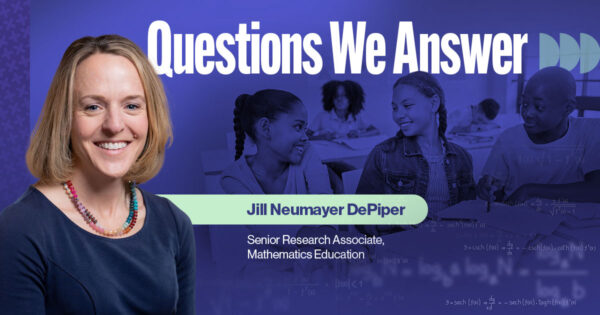
Jill Neumayer DePiper
Neumayer DePiper has more than 20 years of experience in mathematics education across grade levels, including designing curricula, facilitating teacher learning, and conducting research with students and teachers. Her research focuses on changes in teacher knowledge and instructional practices that advance the quality and equity of mathematics instruction, particularly in middle grades. As a former middle school teacher, Neumayer DePiper is committed to encouraging instructional practices that build student–teacher relationships and support the enjoyment of learning mathematics with others.
More Related to This Resource
Resources
Browse our high-quality publications and resources designed to inform and engage professionals in a variety of fields including K–12 education, early childhood, and health and justice.

Blogs & Podcasts
Research insights and stories designed to inform, engage, and inspire.

Events
Research insights and stories designed to inform, engage, and inspire.