

August 14, 2026
At one Count Play Explore institute, an educator spent two days experimenting with learning materials, talking with colleagues, and participating in hands-on activities. Then the educator said she was having so much fun and asked when professional development would begin, without realizing it had already started.
The moment captured what Count Play Explore (CPE) is working to demonstrate: Learning about math, science, and computer science doesn’t have to feel intimidating or disconnected from everyday life. For educators and children alike, it can be joyful, playful, and immediately useful.
Led by the Fresno County Superintendent of Schools (FCSS), CPE is a California statewide initiative that helps early childhood educators, families, coaches, and community partners create meaningful math, science, and computer science learning experiences for young children. The initiative builds the capacity of local organizations to provide professional learning, coaching, and family engagement supports tailored to the communities they serve.
In this Q&A, Dr. Matilda Soria, Executive Director of FCSS Child and Family Success Division, and CPE Program Coordinator Naomi Nock-Salgado discuss what it takes to build and sustain a statewide early learning initiative with a broad network of partners, including WestEd.
WestEd led the evaluation of the initiative and supported the development of professional learning resources for the new Count Play Explore for Early Education website.

Matilda: From the beginning, we knew this couldn’t be something Fresno built on its own. The Fresno County Superintendent of Schools helped convene and move the work forward, but the vision and the approach were shaped collectively with partners across the state. We started with a core group and then expanded that circle to include the California Department of Education, State Board of Education, county offices of education, local education agencies, community-based organizations, nonprofits, colleges and universities, and others.
We grounded the work in a clear set of research-based beliefs: that all children deserve joyful, meaningful opportunities to build confidence in math—and later, science and computer science —from their earliest years and that families are part of that partnership, not separate from it. Along with the shared vision, we also had to establish trust and a willingness to pivot because scaling this kind of work means adjusting along the way while still building toward sustainability beyond the state’s investment.
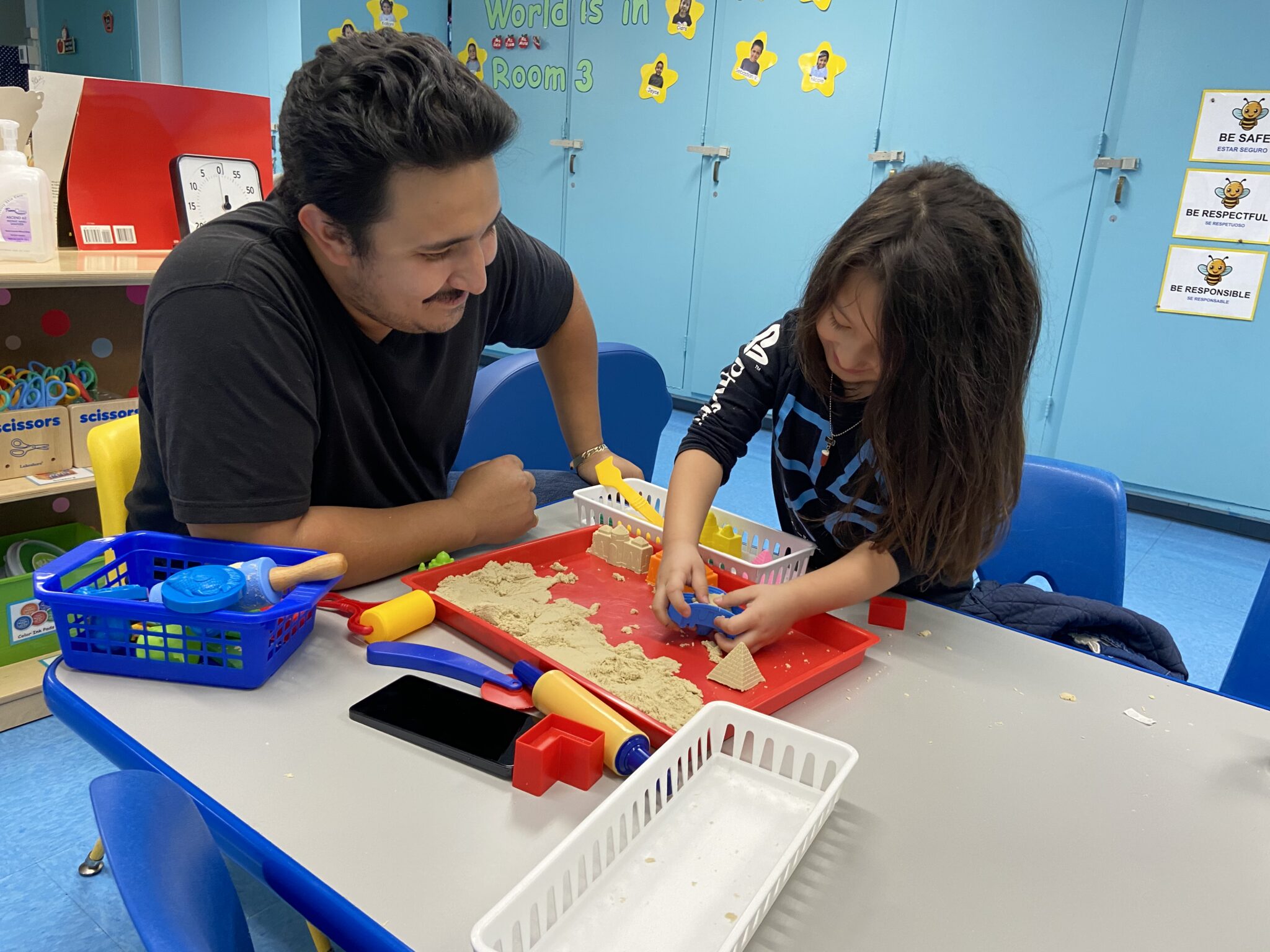
Matilda: At its core, the North Star is ultimately improving outcomes for children in math, science, and computer science. But just as important is the idea that all children find joy in learning these subjects. Early on, before there was even a grant, we talked about the “math monster,” the fear so many people carry about math. The question became how do we show adults in a child’s life that math isn’t something to fear, that it’s fun and can be learned anywhere, so they can pass that confidence on to children?
Naomi: I agree. I think that has been the guiding thread of our work from the very beginning, ensuring that children have positive, meaningful experiences with math, science, and computer science. And our principles—math, science, and computer science are everywhere, they’re for everyone, they’re fun and playful, and mindsets matter—lead our work in all aspects of it and really ground us when we’re talking with our core partners: the AIMS Center for Math and Science Education; the Early Math Project; WestEd; and our video producer, Gerald Leslie Mayfield.
Matilda: One of the things that we’ve tried to do is think about how to integrate CPE within existing initiatives. Because one of the things that we heard during the needs assessment process was that people were experiencing initiative fatigue. So instead of just aligning with existing efforts, we tried to integrate with them: showing how CPE resources fit into universal preK, P–3 alignment, or family engagement work agencies were already doing. That approach does two things: It creates buy-in because it’s not an added burden, and it increases the odds that CPE gets institutionalized into an agency’s existing infrastructure rather than depending on continued grant funding.
Sometimes early learning and family engagement can sit a little outside of K–12-focused conversations. We try to help connect those pieces, sharing not just CPE materials but also the underlying principles that other initiatives can use even if they’re not formally part of CPE.
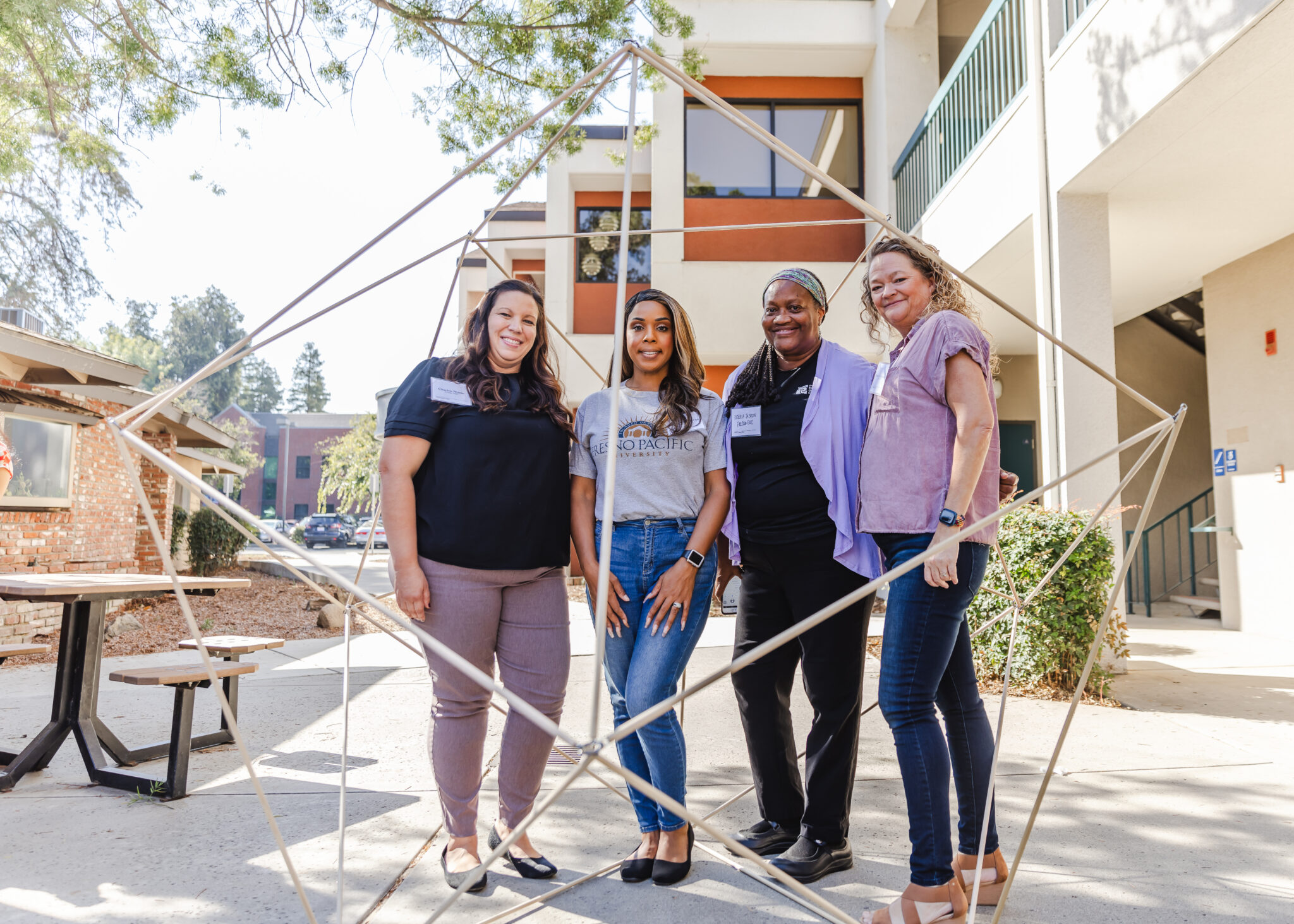
Matilda: Great resources already existed. Our first project was actually inventorying them because we didn’t want to recreate the wheel. But both the research and what we heard from the field made it clear that adults’ own experiences with math matter. If adults carry fear or anxiety about math, children can pick up on that. And in early learning, we heard from a lot of educators and parents who had grown up believing they just weren’t “math people.”
We heard it directly: “I’m not a math person,” or “I don’t have a math brain.” After going through CPE sessions, many participants realized they were capable all along. So, we knew we needed to address mindset too. Anybody can learn math, science, and computer science. There is no “math brain.”
Matilda: We use a train-the-trainer professional learning model that was really designed with sustainability in mind. Rather than Fresno directly delivering everything, we build the capacity of local entities, the organizations that already know and are trusted by their communities, to carry the work forward themselves. We knew that there were structures in place within each county that could provide these supports. And so, our role was to build the capacity of those entities to in turn support school districts and agencies that were working directly with children. We felt like that would create a more sustainable model that built upon the existing structure of PD and supports across the state. That said, local flexibility doesn’t mean anything goes. We maintain consistency around our core principles and learning goals, with coaching support from our team and partners to ensure fidelity.
Naomi: One of the many things that we’re doing, especially with our cohort of agencies who span the entire state, is providing them with high-quality resources, whether it’s professional learning resources, resources for educators, or resources for family engagement that all align with our core principles and mission and vision. In addition to that, we are providing them with shared learning experiences in which they get to engage with those materials and in playful hands-on learning where they can bounce ideas off one another and learn how people are implementing playful learning experiences in math, science, and computer science with their educators across the state.
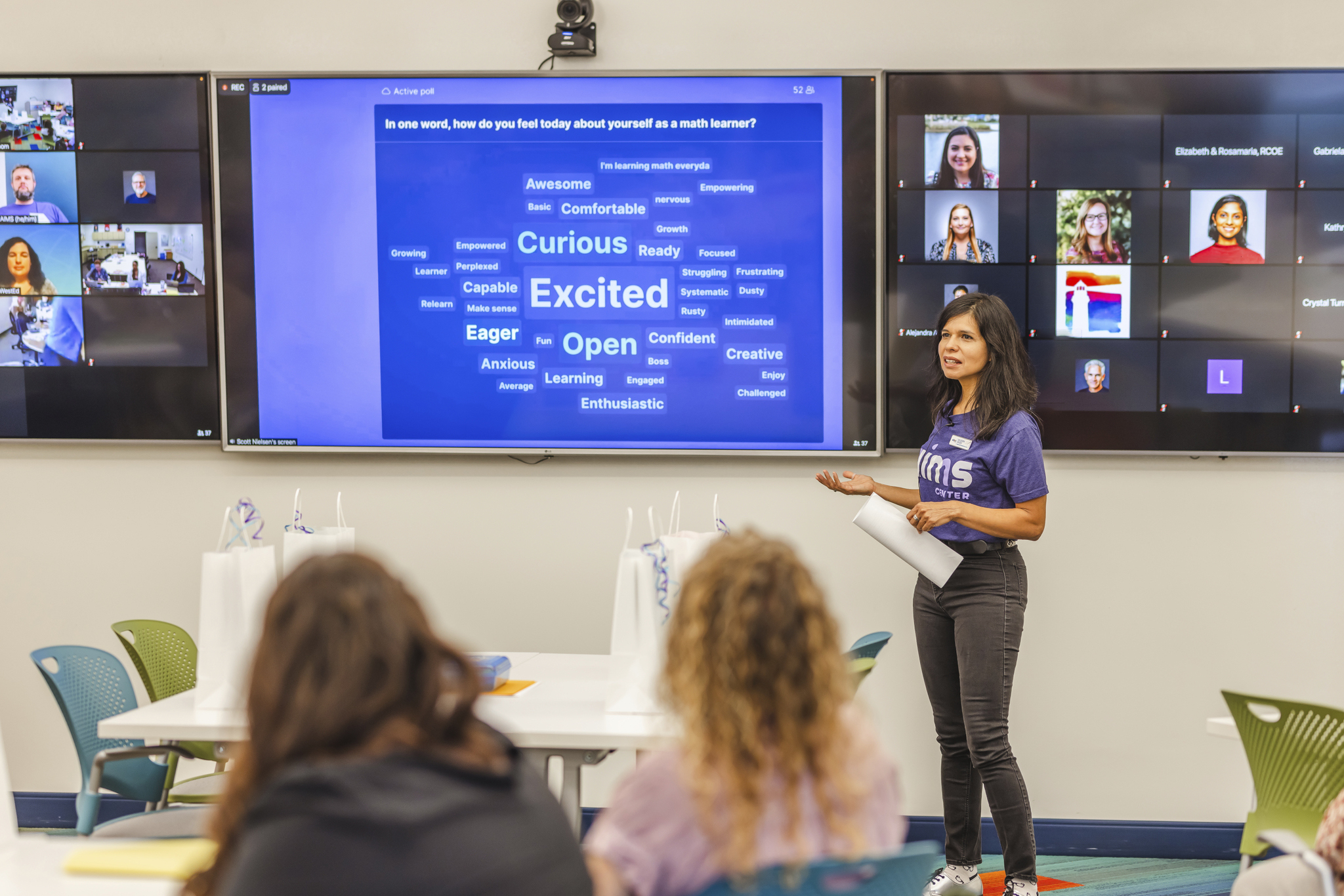
Matilda: Sustainability has been part of the design since the beginning. Our cascade model was never about training one group of educators but rather about building local agencies’ capacity to keep training others long after we’re involved. The relationships we’ve built, no matter whether an agency is formally in our cohort, are central to that. Ultimately, success means our beliefs and practices outlive any one person or organization.
Practically, we built a public, professional learning website that will remain available after the grant ends so that anyone providing professional learning or coaching can use it. We’re also thinking about how we can continue providing technical assistance and what a statewide community of practice could look like going forward. Even without additional funding, the resources themselves are built to last.
Naomi: The WestEd team members that we work with are wonderful and are really our thought partners in all our work, and their expertise and the experiences that they bring to the table are very valuable. They are not only providing evaluation but also supporting resource development and bringing thoughtful reflection to our conversations. After we launched our Start Here Institute, WestEd attended and evaluated a full day and a half of training using a rubric they developed. Their debrief pushed us to think harder about incorporating culturally responsive practices and addressing California’s mixed-delivery system more directly.
Matilda: I’m really appreciative of our partnership with WestEd. It has pushed us past simply asking whether people enjoyed a training toward understanding what participants are actually learning, how practices are changing, and under what conditions and where additional support is needed. One moment that stands out is when, during an institute, we were able to pivot overnight based on real-time focus groups WestEd ran with participants, adjusting the next day’s content to make sure participants were able to gain as much as they could from the institute.
Naomi: Relationships make the lasting difference. You can have the best resources in the world, but without relationships to support implementation, they won’t be used or spread. Implementation also just takes time; building trust and shifting mindsets doesn’t happen quickly. And listening—really listening, and then being willing to pivot—has been essential throughout.
Matilda: My advice would be to be bold and ambitious about the vision and think outside the box but remain humble about the approach. Know that you may not have all the answers, and that’s OK. And remember that lasting systems change doesn’t happen overnight. It takes time and steady work that may sometimes seem monotonous, but you have to keep at it.
Another important lesson is that you have to build with people rather than for them. You could create a beautiful, colorful resource that looks great, but if nobody uses it, what’s it worth? You have to build and design with the people you are serving and partnering with to make sure the resources will be used and are accessible and remain humble and be willing to make changes when they’re not.
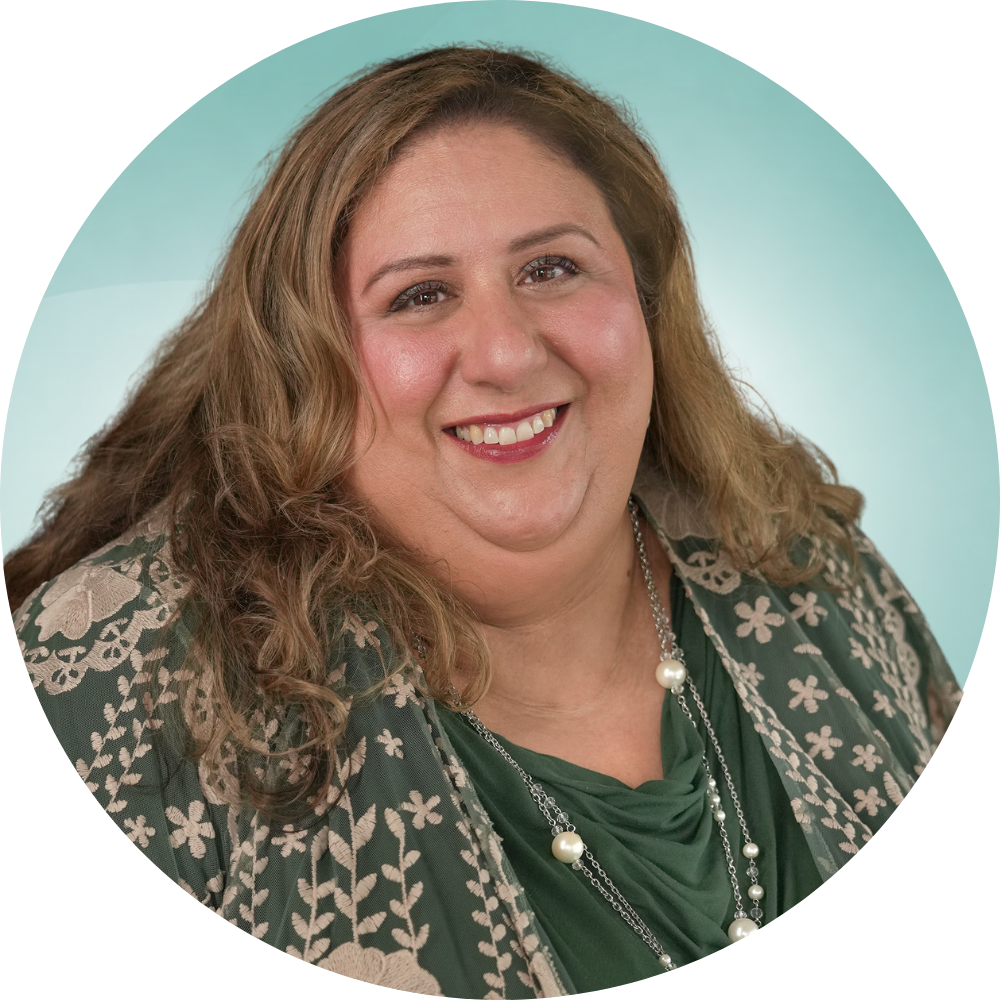
Dr. Matilda T. Soria serves as Executive Director of the Child and Family Success Division at the Fresno County Superintendent of Schools, where she leads initiatives spanning early care and education, cradle-to-career systems, health services, and foster and homeless youth education. With more than 20 years of experience in education, she works collaboratively with schools, community partners, and public agencies to strengthen systems that improve outcomes for children and families.
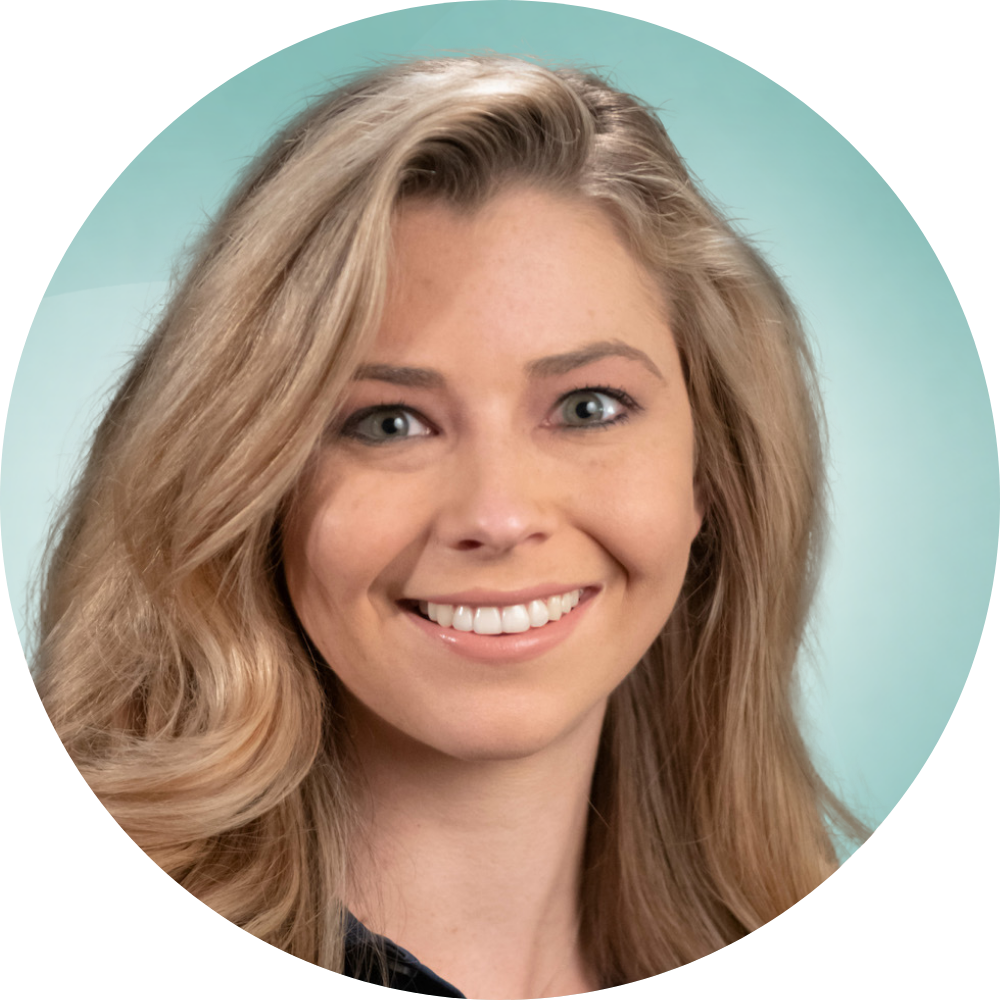
Naomi Nock-Salgado serves as Program Coordinator for Count Play Explore (CPE) at the Fresno County Superintendent of Schools. She works collaboratively with state agencies, county offices of education, school districts, nonprofit organizations, and community partners to build educator capacity, develop innovative professional learning and family engagement resources, and advance access to high-quality early STEAM learning opportunities.

Ready to Support Your Thriving Learners and Empowered Communities?
Connect with our WestEd experts.
"*" indicates required fields
More Related to This Post
Blogs & Podcasts
Research insights and stories designed to inform, engage, and inspire.


Resources
Browse our high-quality publications and resources designed to inform and engage professionals in a variety of fields including K–12 education, early childhood, and health and justice.